

Uncategorised
Marketing for construction companies is very different from marketing in most other industries. Long sales cycles, high-value projects, trust-based decisions, and intense local competition all mean that what works for eCommerce or SaaS rarely works for construction.
Yet many construction businesses still rely heavily on referrals, word of mouth, or inconsistent advertising — which makes growth unpredictable.
This beginner’s guide breaks down how marketing for construction companies actually works, what channels matter most, and how to build a system that generates consistent, qualified leads.
Why marketing for construction companies is different

Construction marketing isn’t about chasing clicks — it’s about building trust before the first conversation.
- Customers are making high-risk, high-value decisions
- Buyers often research for weeks or months
- Reputation and credibility matter more than clever ads
- Most competition is local or regional
- Decision-makers want proof, not promises
That’s why effective marketing for construction companies focuses on visibility, authority, and trust — not gimmicks.
The core goal of construction marketing
- Make you visible when potential clients are actively searching
- Position you as credible and experienced (with proof)
- Convert interest into enquiries with a clear, simple process
Everything else — your website, SEO, PPC, content, and systems — supports these outcomes.
Key marketing channels for construction companies
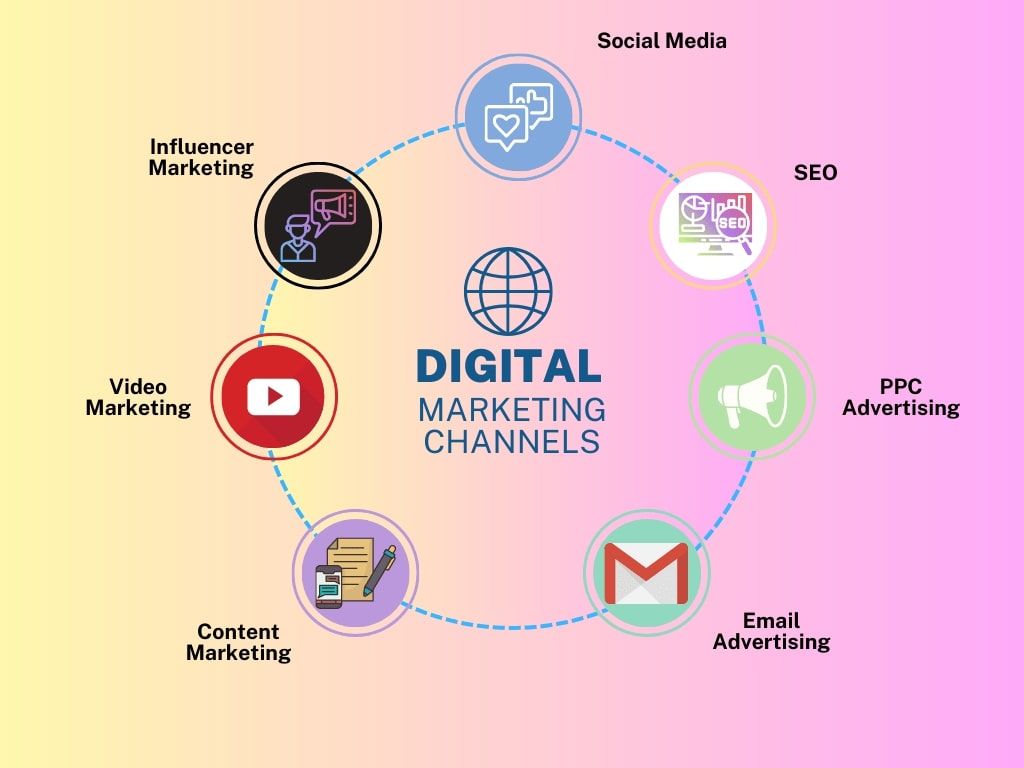
1) Your website
Your website is often the first serious impression a potential client has of your business. For construction companies, a strong website should be clear, credible, and conversion-focused. Google’s own guidance on building a strong online presence for local businesses reinforces how important clear information and credibility are before a client ever gets in touch.
- Clearly explain what you do and who you serve
- Show real projects and outcomes
- Highlight experience, accreditations, and guarantees
- Make it easy to call, email, or request a quote
2) SEO (Search Engine Optimisation)
SEO is one of the most powerful long-term strategies for construction companies because it helps you appear when people search for services you offer — right when they’re ready to take action. If you’re completely new to SEO, Google’s own SEO starter guide is a useful reference for understanding how search engines evaluate your site.
- Service pages targeting buyer-intent searches
- Project pages and case studies that prove capability
- Educational content that answers real client questions
- Strong local signals
For many businesses, working with a specialist construction marketing agency helps avoid wasted spend and focuses effort on what actually produces enquiries.
3) PPC (Pay-Per-Click) & Google Ads
PPC is extremely important for construction companies, especially if you want leads quickly while SEO compounds in the background. To understand the basics of paid search, Google’s introduction to how Google Ads search campaigns work is a helpful starting point.
- Instant visibility for high-intent searches
- Service and location-specific targeting
- Controlled lead volume during quieter periods
- Clear performance tracking
The strongest approach for most construction businesses is PPC for immediate demand combined with SEO for long-term growth. If you want a contractor-specific angle, this complete guide to Google Ads for contractors gives practical ideas for targeting the right searches.
4) Google Maps & local visibility
Local visibility often drives the highest-quality construction leads. A well-optimised listing in Google Maps through your Google Business Profile can dramatically increase calls and quote requests; you can follow a detailed Google Business Profile optimisation guide to strengthen how you appear in local search.
- Optimised Google Business Profile
- Consistent business information
- Strong review strategy
- Location-relevant pages
5) Content that builds trust (not just traffic)
Construction content should build confidence, not just rankings. Modern SEO best practice focuses on experience, expertise, authority and trust (E‑E‑A‑T), which aligns perfectly with how construction buyers choose who to work with.
- Project breakdowns and case studies
- Process explanations
- Cost and timeline guidance
- Common mistakes and how to avoid them
Why most construction marketing fails
- No clear strategy
- Generic messaging
- Slow response times
- Poor tracking
- No systems for follow-up
A simple beginner-friendly marketing strategy
- Build a strong, trust-focused website
- Lay an SEO foundation
- Use PPC for immediate enquiries
- Strengthen local visibility
- Publish proof-driven content
- Improve speed-to-lead with automation
How AI is changing construction marketing

AI for first-to-respond opportunities
AI can monitor platforms where people post requests for construction services, allowing you to respond quickly and gain a competitive edge. Studies on response time consistently show that being the first to respond dramatically increases win rates, and AI tools simply make that easier to achieve.
AI chatbots to increase conversions
AI chatbots capture enquiries, answer common questions, and route leads 24/7. Used well, they support — rather than replace — your team, and many platforms share data showing higher conversion rates when chatbots handle out-of-hours enquiries.
AI receptionists so no lead is missed
AI receptionists capture caller details, book callbacks, and ensure no enquiry is lost. For busy construction owners who spend most of the day on site, this can be the difference between winning or missing high-value projects.
Want to see all the opportunities you’re missing?
If you want a clear picture of where your construction business could be generating more leads, start with a free marketing audit.
We’ll review your website, SEO visibility, paid ads, and lead flow to uncover:
-
Missed search opportunities
-
Conversion leaks on your site
-
Gaps in local visibility
-
Untapped demand you could be capturing
You’ll get a clear breakdown of what’s working, what isn’t, and where the biggest opportunities are.
👉 Request your free audit below